SLIDELL, LA, UNITED STATES, April 16, 2026 /EINPresswire.com/ — Ductwork serves as a central component in heating, ventilation, and air conditioning systems, directly influencing how air is distributed throughout residential and commercial properties. The design, installation, and condition of duct systems affect temperature consistency, airflow balance, and overall indoor comfort.
Air distribution begins at the HVAC unit, where conditioned air is generated and pushed through a network of ducts. These ducts act as pathways, delivering air to different rooms and returning it to the system for reconditioning. When ductwork is properly designed and maintained, it allows for even distribution, helping to maintain stable temperatures across a structure.
Imbalances in duct systems can lead to uneven temperatures. Certain rooms may feel warmer or cooler than others, depending on how air flows through the system. These variations are often linked to issues such as improper sizing, poor layout, or obstructions within the duct network.
Duct sizing is one of the primary factors influencing performance. Ducts that are too small can restrict airflow, while ducts that are too large may reduce air velocity. Both scenarios can affect how effectively conditioned air reaches different areas of a building. Proper sizing ensures that air moves efficiently without unnecessary resistance.
Layout and design also contribute to temperature consistency. The path that air takes from the HVAC unit to each room should be as direct as possible. Complex or extended duct runs can reduce airflow efficiency, leading to temperature variations. Strategic placement of supply and return vents helps maintain balance within the system.
Sealing is another critical aspect of duct performance. Leaks in ductwork allow conditioned air to escape before reaching its intended destination. This not only affects temperature consistency but also reduces overall system efficiency. Sealed ducts help ensure that air is delivered where it is needed.
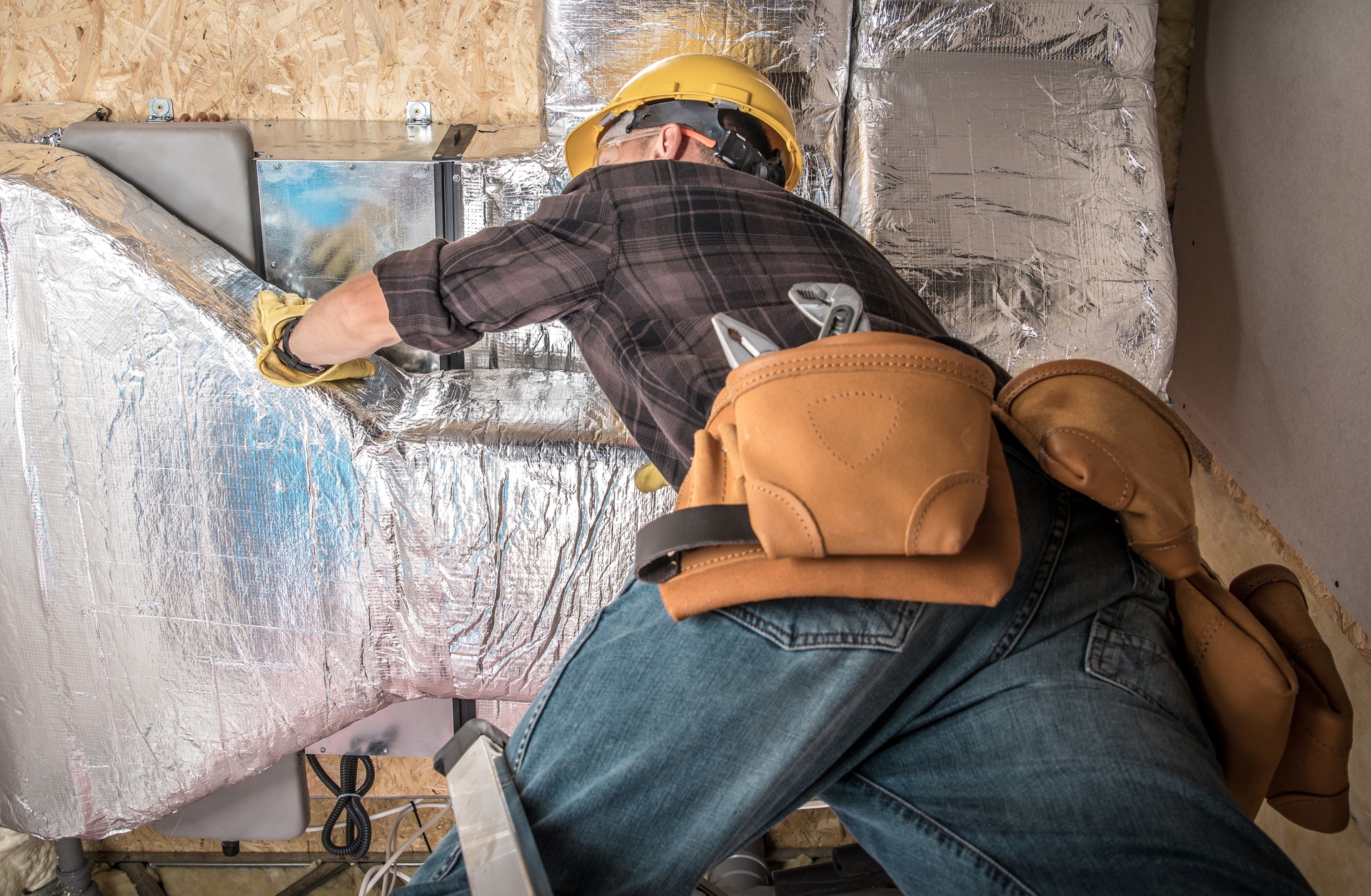
Insulation plays a role in maintaining air temperature as it moves through the system. Ducts that pass through unconditioned spaces, such as attics or crawl spaces, are exposed to external temperatures. Without proper insulation, conditioned air can lose or gain heat before reaching living areas. Insulated ducts help preserve the intended temperature of the air.
Airflow balance depends on the interaction between supply and return ducts. Supply ducts deliver conditioned air, while return ducts pull air back into the system. If this balance is disrupted, pressure differences can occur, affecting how air circulates throughout the building. A balanced system supports consistent temperatures and stable airflow.
Maintenance and inspection contribute to long-term performance. Dust, debris, and buildup within ducts can restrict airflow over time. Regular cleaning and inspection help maintain clear pathways for air movement. Identifying and addressing issues early supports consistent system operation.
Will Berkowitz of LOUMIS Air, servicing multiple locations across Louisiana and Mississippi, discussed how ductwork influences indoor conditions.
“Ductwork plays a direct role in how air moves through a building. When ducts are properly designed, sealed, and maintained, they support more consistent temperatures across different areas. Issues within the duct system can lead to uneven airflow and noticeable temperature differences.”
Zoning systems can further influence temperature control. These systems divide a building into separate areas, each with its own temperature settings. Ductwork is configured to direct airflow based on these zones, allowing for more precise control. This approach can address variations in usage patterns and occupancy.
Technology integration has also impacted duct system performance. Sensors and smart controls can monitor airflow, temperature, and system activity, providing data that supports adjustments and maintenance decisions. These tools contribute to more informed management of HVAC systems.
Building design and layout influence how ductwork performs. Open floor plans, multiple levels, and varying ceiling heights can affect airflow patterns. Duct systems must be designed to accommodate these factors to maintain consistent conditions throughout the space.
External conditions, such as climate and seasonal changes, also affect duct performance. Systems must adapt to varying temperatures and humidity levels, which can influence how air moves and how effectively it maintains indoor comfort.
Energy efficiency is closely tied to duct performance. When air is distributed evenly and without loss, HVAC systems can operate more effectively. This can influence overall energy usage, although results vary based on system design and usage patterns.
Upgrades to existing duct systems may involve sealing, insulation improvements, or adjustments to layout. These modifications can address performance issues and improve temperature consistency without requiring a full system replacement.
The role of ductwork in maintaining indoor conditions extends beyond simple air movement. It involves coordination between multiple components, including the HVAC unit, insulation, and building design. Each element contributes to how effectively air is distributed and maintained.
As buildings continue to evolve, duct systems remain a foundational part of climate control. Their design and condition directly influence how spaces feel and function on a daily basis. Understanding how ductwork supports temperature consistency provides insight into the broader operation of HVAC systems and indoor environmental management.
Morgan Thomas
Rhino Digital, LLC
+1 504-875-5036
email us here
Visit us on social media:
Facebook
Legal Disclaimer:
EIN Presswire provides this news content “as is” without warranty of any kind. We do not accept any responsibility or liability
for the accuracy, content, images, videos, licenses, completeness, legality, or reliability of the information contained in this
article. If you have any complaints or copyright issues related to this article, kindly contact the author above.

Media gallery