
SALZBURG, Austria, Nov. 11, 2026 (GLOBE NEWSWIRE) — LiveVoice, an Austria-based live audio platform, has surpassed 150,000 multilingual church services, according to the company. Churches use LiveVoice for AI translation for churches: a pastor preaches in one language, and worshippers hear or read the sermon live in their own language on their own phones. The platform supports more than 70 languages and combines AI voice translation, translated subtitles and human interpreters in a single service. Willow Creek, ICF, OM, Alpha and Hillsong are among the churches and ministries that use LiveVoice. ICF Zurich, for example, reaches worshippers in more than 12 languages during a single service.
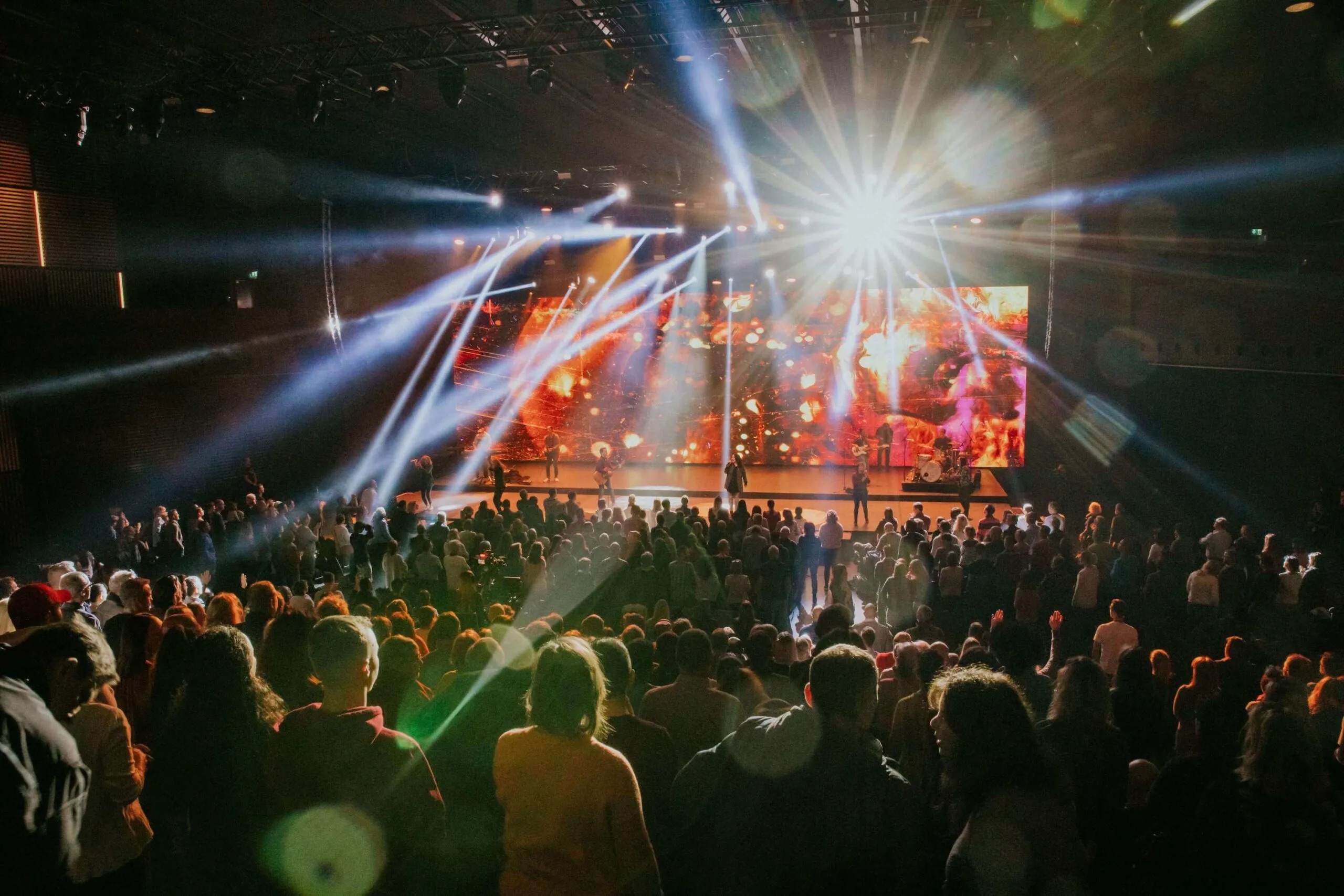
LiveVoice used at ICF Church Zurich, with AI translation enabling all worshippers to understand every service in their own language.
The church milestone sits on a wider base. Across churches, conferences, guided tours and sports venues, LiveVoice reports more than 850,000 app downloads and more than 50,000 admin users in over 100 countries. The same platform runs at large sports events with thousands of fans, including the Biathlon World Cup, Handball-Bundesliga matches, and Formula 1 and MotoGP race weekends at the Red Bull Ring.
How LiveVoice Works: Live Speech Translation and AI Translation for Churches
LiveVoice is a cloud-based platform that turns smartphones, tablets and computers into a live audio and translation system for events. It’s built for one speaker and many listeners, such as a sermon, a worship service or a church conference.
Setting up a translated service takes three steps. The church team creates an event in LiveVoice and adds a channel for each language. The team then shares a QR code or link in the bulletin or on the screen. Worshippers open it in the LiveVoice app or a web browser, pick their language, and listen through their own earbuds or read translated subtitles while the service runs.
Joining a session is extremely quick and simple. A church invites them by QR code or link, with no complicated logins. On computers, LiveVoice runs in a web browser, and phones and tablets use the LiveVoice app.
With speech to speech translation, LiveVoice’s AI translates the pastor’s words and speaks them aloud in the listener’s language within moments. The same live speech translation can appear as subtitles on phones or on the church’s main screen for worshippers who prefer to read along. LiveVoice runs over Wi-Fi or mobile data and needs very little bandwidth, so a church doesn’t need a dedicated network for it.
AI translation for churches doesn’t have to replace human interpreters. With LiveVoice, volunteer or professional interpreters can cover a congregation’s main languages from the sanctuary or remotely from home, while AI adds further languages in the same event. A church with only two interpreters available on a given Sunday can still offer the service in many additional languages through AI.
Services don’t have to happen in one room. LiveVoice works on site, online and in hybrid formats, so a church that streams its service can offer the same translated channels to worshippers at home, as ICF Zurich does. Churches can also show live captions on phones or on the main screen, which helps members who are deaf or hard of hearing follow the sermon.
“Many churches have visitors every week who don’t speak the language of the service,” said Johannes Wigand, founder of LiveVoice. “With AI translation for churches, a congregation can welcome them in their own language this Sunday. All it takes is a QR code and the phones people already carry.”
Cost often decides it for smaller congregations. Traditional church interpretation relies on receivers, transmitters and sometimes interpreter booths. Every receiver has to be charged, handed out, collected and cleaned. With LiveVoice, worshippers use the phones they already carry. LiveVoice states that replacing rented interpretation hardware with its platform can lower costs by 80%. Shared headsets also raise hygiene concerns that personal devices avoid. Pricing starts with a participant-based plan that lets a church create as many events and language channels as it needs. Churches can then book AI translation online through self-service, billed pay-as-you-go.
Church and ministry customers point to ease of use and savings. Simon Egli from ICF Church says: “LiveVoice is simple to use for interpreters and listeners and has many innovative features.” Jan Hendrik, responsible for the international audience at the Global Leadership Summit at Willow Creek, notes: “We’ve been using LiveVoice at GLS for many years now, first with human interpreters, now with AI translation. It works great for us and we are glad we found a tool that accommodates so well to our needs, both for our on-site and online audience.”
About LiveVoice
LiveVoice GmbH is a leading cloud-based live audio platform for events, used for AI translation, simultaneous interpretation, live captions in church services, guided tours, silent conferencing and audio description. Audiences listen through the LiveVoice app or a web browser on their own devices. The company was founded by Johannes Wigand and is based in Salzburg, Austria.
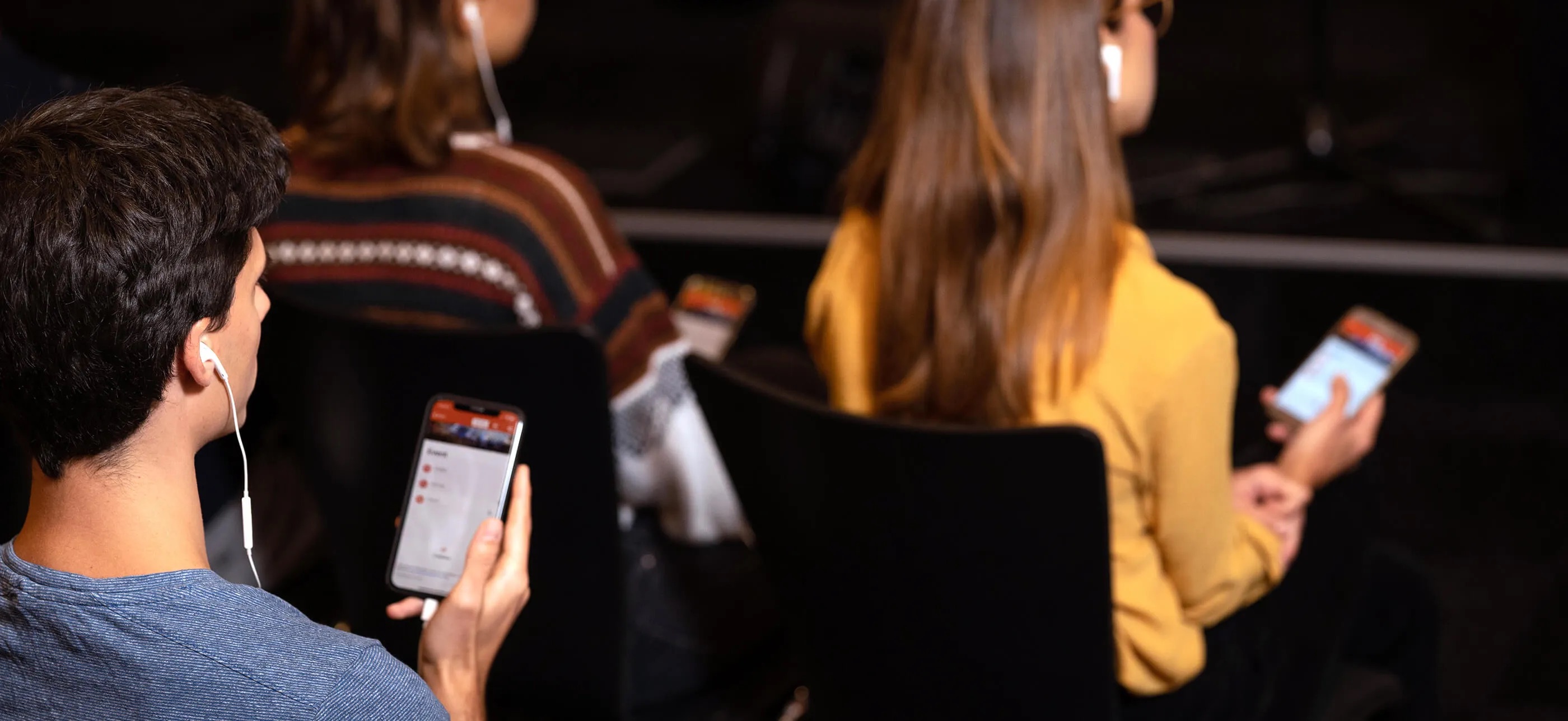
LiveVoice has now delivered AI translation for churches at more than 150,000 services, letting worshippers follow the sermon in their own language.
Press Inquiries
Johannes Wigand
hello [at] livevoice.io
https://livevoice.io/en


