
CHARLOTTE, NC – X-Sense highlights the growing need for whole-home protection as fire behavior in modern households becomes increasingly unpredictable.
One of the most harmful household hazards is carbon monoxide (CO), which is invisible, odorless, and undetectable without an appropriate safety device. CO can accumulate in closed areas, often without warning, while smoke from a fire would alert people to its presence.
Knowing where CO comes from and how to identify it is crucial to making a home safer. Understanding the main sources and taking preventive steps lowers risk and helps keep families safe.
What Is Carbon Monoxide?
Carbon monoxide is a colorless, odorless gas formed when fuel such as gas, oil, wood, or coal does not burn completely. It cannot be detected by human senses, so people may not realize there is a problem.
CO in the blood lowers the body’s ability to transport oxygen. Early detection is therefore very important, particularly in households where fuel-burning devices are used regularly.
Common Sources of Carbon Monoxide at Home
Carbon monoxide can come from many everyday household sources.
Gas Appliances
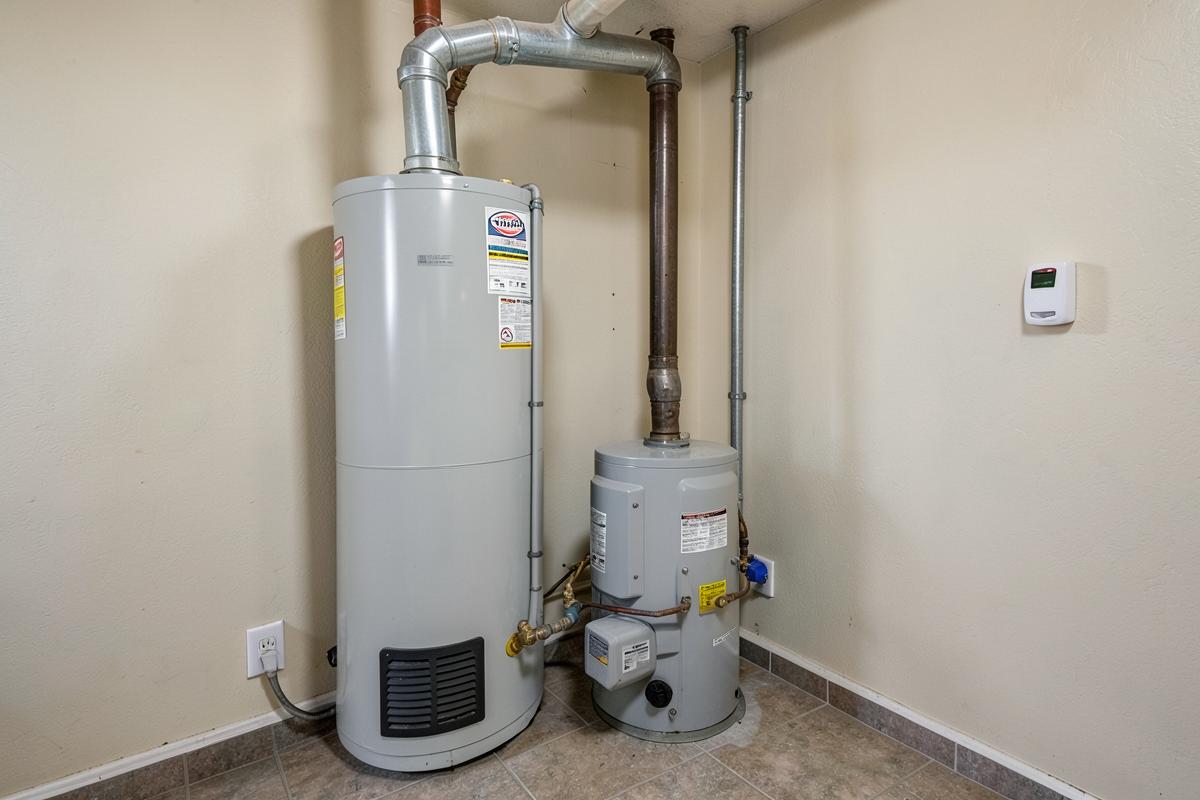
Gas-fired devices such as stoves, ovens, water heaters, and furnaces may produce carbon monoxide when they are poorly maintained or when ventilation is inadequate. Regular checks and proper ventilation help prevent buildup.
Fireplaces and Wood-Burning Stoves
Traditional fireplaces and wood-burning stoves can produce CO when wood does not burn completely or when smoke is not carried away properly through the chimney. Cleaning and maintaining the chimney goes a long way toward preventing dangerous gas buildup.
Portable Generators
Portable generators should never be used indoors, in garages, or in enclosed areas, as they can produce CO in high quantities. Dangerous amounts can accumulate even in partially enclosed spaces. Generators should be used outdoors, away from doors, windows, and ventilation openings.
Vehicles
Carbon monoxide can enter living areas when vehicles are run inside a garage for any length of time. This is one reason cars should never be left idling indoors.
How Can You Detect Carbon Monoxide?
Since carbon monoxide cannot be identified by sight or smell, the only reliable way to detect it is by using a carbon monoxide detector.
A carbon monoxide alarm continuously monitors CO levels in the air and provides an alert when dangerous concentrations are detected. Installing alarms in key areas of a home gives residents an early warning and time to act.
Where Should Carbon Monoxide Detectors Be Installed?
Correct placement is critical to detector performance. Typical locations include:
- Close to sleeping spaces and bedrooms
- On every floor of the house
- Near fuel-burning appliances
- In shared living areas
Carbon monoxide can circulate throughout a house, so broader coverage is generally better. Detectors should always be installed according to the manufacturer’s recommendations to ensure accurate monitoring.
Benefits of Smart Carbon Monoxide Alarms
Modern carbon monoxide alarms include features that make home safety more convenient, such as mobile notifications, easier monitoring, and improved user awareness.
For homeowners looking for a more advanced option, the X-SENSE XC01-M Smart Carbon Monoxide Alarm offers smart monitoring features designed to help users stay informed about carbon monoxide levels in their homes.
Smart carbon monoxide alarms can be especially useful for families who want additional visibility and control over their home safety systems.
Signs That Your Home May Have a Carbon Monoxide Problem
CO is invisible and odorless, but certain conditions can point to a possible problem:
- Fuel-burning appliances that operate improperly
- Heating equipment that is not properly vented
- Unusual condensation around windows
- Soot or discoloration near appliances
- Frequent alarm warnings
When a carbon monoxide alarm sounds, residents should move to fresh air and follow emergency safety procedures.
Preventing Carbon Monoxide Risks
Detection matters, but prevention is valuable too. Homeowners can minimize CO hazards by:
- Scheduling routine maintenance for heating devices and appliances
- Keeping ventilation paths clear
- Using generators outdoors only
- Never running fuel-burning equipment indoors
- Testing carbon monoxide alarms periodically
These simple steps make unsafe carbon monoxide exposure far less likely.
Final Thoughts
CO can be present in any home with fuel-burning equipment. It cannot be seen or smelled, so human senses alone are not enough.
Installing a good CO detector and keeping household appliances in working order are simple ways to make home life safer. Awareness and the right safety equipment help families protect themselves from one of the most overlooked hazards in their homes.
About X-SENSE Innovations
Founded in 2013, X-SENSE Innovations operates from its registered U.S. address at X-SENSE USA LLC, 1209 Orange St, Wilmington, DE 19801, and specializes in developing certified home fire and safety solutions for both residential and commercial environments. The company focuses on producing professional and user-friendly safety devices, including domestic fire alarms such as smoke, carbon monoxide, and heat alarms, as well as smart home safety systems covering fire protection, intrusion detection, and indoor environment monitoring.
More information is available at www.x-sense.com.
Official company social media profiles: Facebook and Instagram.
Media Detail
Contact Person Name: Farrukh
Company Name: X-Sense
Email: service@x-sense.com
Website: https://www.x-sense.com/
Phone: +1 (833) 952-1880


