
Spokane Valley, WA – August 12, 2026 – PRESSADVANTAGE –
Washington Auto Collision is providing information about its auto body repair services and the procedures involved in restoring vehicles following collisions and other types of exterior damage. Serving Spokane Valley and nearby communities, the collision repair facility handles vehicles affected by roadway accidents, parking lot incidents, weather-related damage, and other events requiring body repair.
Located at 16811 E Sprague Ave, Spokane Valley, WA 99037, Washington Auto Collision provides auto body repair services that can include damage inspection, repair planning, body panel repair or replacement, component alignment, and refinishing. The specific procedures required depend on the vehicle, the location of the damage, and the extent of the impact.
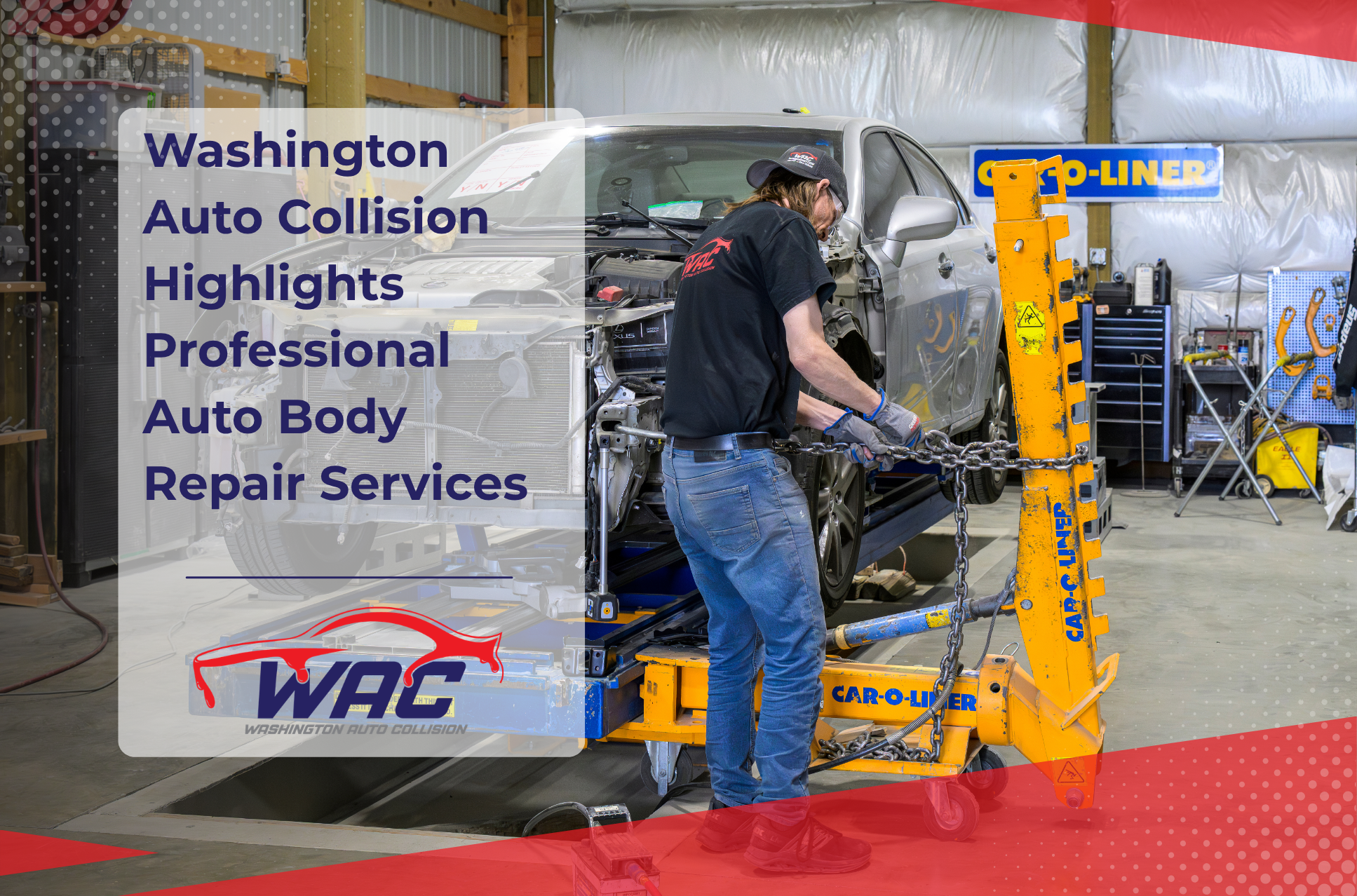
“Every vehicle arrives with a different combination of damage and repair requirements,” said a representative of Washington Auto Collision. “The inspection and repair-planning stages help determine which components were affected and what procedures are appropriate for that particular vehicle.”
According to the company, auto body repair often involves more than correcting visible dents, scratches, or damaged exterior panels. Modern vehicles can incorporate different types of steel, aluminum components, electronic equipment, and driver-assistance technology. These features can affect how collision damage is evaluated and how individual repairs are performed.
The process begins with an inspection of the affected areas. Depending on the nature of the accident, technicians may examine bumpers, doors, fenders, quarter panels, hoods, lighting components, exterior trim, and other areas associated with the impact.
Information gathered during the inspection is then used to develop a repair plan. The plan identifies damaged components and the procedures expected to be involved in restoring the affected areas of the vehicle.
Some collision damage may not be immediately visible during an exterior inspection. Components located behind bumpers and body panels can also be affected by an impact. These may include brackets, retainers, fasteners, reinforcement components, and mounting points.
For this reason, the repair process can change when damaged exterior components are removed and previously concealed areas become accessible. Additional damage identified during disassembly can then be documented and incorporated into the repair plan when necessary.
Panel fit and alignment are also considered during auto body repairs. Doors, hoods, bumpers, fenders, liftgates, and other components are designed to fit within specific areas of the vehicle body. Collision forces can change their position or affect the components used to mount them.
Technicians can evaluate panel gaps and component operation as repairs progress. A door that became difficult to close after an accident, for example, may require evaluation of more than the visible exterior damage. Similarly, a bumper that no longer sits evenly against an adjacent fender may have damaged mounting components beneath its exterior surface.
Refinishing may be required when collision damage affects painted surfaces or when a body panel is repaired or replaced. The refinishing process can involve surface preparation, color matching, application of the appropriate coatings, and finishing procedures.
Automotive paint serves both cosmetic and protective functions. Restoring coatings to repaired areas helps cover surfaces exposed during the collision or repair process while returning the affected panels to a consistent appearance.
Vehicle technology is another consideration in contemporary auto body repair. Cameras, radar units, parking sensors, and other electronic components can be positioned in or around bumpers, mirrors, grilles, windshields, and exterior body panels.
When collision damage or subsequent repairs involve areas associated with these systems, vehicle-specific procedures may call for additional inspections, diagnostic steps, or calibration. Requirements vary according to the manufacturer, vehicle model, installed equipment, and repairs performed.
Washington Auto Collision also provides ADAS calibration services. Advanced driver-assistance systems can include functions such as forward collision warning, lane-related assistance, parking assistance, and other features that rely on cameras or sensors. Calibration requirements are determined according to the vehicle and the work being completed.
The company notes that repair planning has become increasingly vehicle-specific as automotive construction has evolved. Procedures that apply to one vehicle may not necessarily apply to another, even when exterior collision damage appears similar. Technicians therefore consider the affected components and applicable vehicle information when determining the repair sequence.
Parts requirements can also influence the progression of a repair. Once the affected components have been identified, necessary parts can be incorporated into the repair plan. If previously concealed damage is discovered after disassembly, additional components may need to be added before work proceeds to subsequent stages.
Communication with vehicle owners occurs throughout the repair process as information becomes available. Updates may address repair status, newly identified damage, parts considerations, or changes affecting the anticipated repair timeline.
The length and complexity of an auto body repair can vary considerably. A vehicle with localized exterior damage may require fewer procedures than one involving several body panels, concealed components, refinishing, and electronic systems. Evaluating each vehicle individually allows the repair process to reflect the damage identified during inspection and disassembly.
Inspections also take place as repairs are completed. Depending on the work performed, technicians may review panel fit, exterior finish, component installation, and other items included in the repair plan before the vehicle is returned to its owner.
For Spokane Valley drivers, understanding these stages can provide useful context when a vehicle requires body repair following an accident. The visible damage is only one part of the evaluation, and the complete repair scope may become clearer as technicians inspect and access the affected areas.
Washington Auto Collision continues to provide auto body repair, collision repair, and related services from its Spokane Valley facility as vehicle construction and repair requirements continue to change.
More information is available through Washington Auto Collision. Company information and updates are also available through Washington Auto Collision’s Facebook page.
About Washington Auto Collision
Washington Auto Collision is an auto body and collision repair facility located at 16811 E Sprague Ave, Spokane Valley, WA 99037. The facility provides auto body repair, collision repair, and ADAS calibration services for vehicle owners in Spokane Valley and surrounding communities. Additional information about available services and the Spokane Valley location is available through the company’s website.
###
For more information about Washington Auto Collision, contact the company here:
Washington Auto Collision
Gary Tolerico
(509) 927-0048
info@waciwa.com
16811 E Sprague Ave, Spokane Valley, WA 99037


