
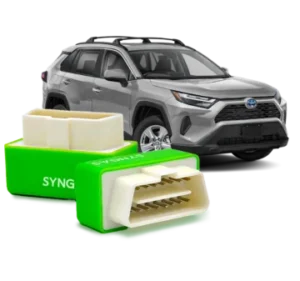
SynGas OBD Fuel Saver, a plug-in OBD2 device designed to interface with a vehicle’s Engine Control Unit to monitor and adjust fuel delivery parameters, is now commercially available on the official website for vehicle owners seeking aftermarket fuel management solutions
LOS ANGELES, Calif., July 24, 2026 — SynGas OBD Fuel Saver today announced the commercial availability of its OBD2-connected fuel management device in the United States. The product is available through the company’s direct-to-consumer platform, with customer service accessible by telephone at +1 (256) 448-8596 and through an online support portal.
SynGas OBD Fuel Saver is a compact electronic device that connects to a vehicle’s OBD2 diagnostic port — a standardized 16-pin interface present on vehicles manufactured in 1996 and later, as mandated by the U.S. Environmental Protection Agency. Once connected, the device interfaces with the vehicle’s Engine Control Unit (ECU) to monitor driving data and adjust fuel delivery parameters over a calibration period. The company states that the calibration period is approximately 150 miles of standard driving, after which the device adapts its operating parameters to the individual vehicle and driver profile.
The product requires no tools for installation and is described by the manufacturer as maintenance-free.
Product Overview
SynGas OBD Fuel Saver is an OBD2 plug-in device compatible with vehicles manufactured from 1996 that are equipped with a standard OBD2 connector. The device is described by the manufacturer as a compact, lightweight unit that connects to the OBD2 port, which is typically located beneath the vehicle’s dashboard on the driver’s side.
The product is available in single and multi-unit configurations through the company’s website. All orders are covered by a 30-day money-back guarantee. Fast shipping is included with all orders, with tracking information provided by email following dispatch.
“SynGas OBD Fuel Saver was developed as an aftermarket OBD2 solution for vehicle owners who want a plug-and-play device that interfaces with their ECU and monitors fuel-related driving parameters. The device operates within the vehicle’s existing electronic architecture and does not make permanent modifications to any vehicle systems. It can be removed at any time by unplugging it from the OBD2 port, at which point the vehicle’s original ECU settings resume without alteration.”
— SynGas OBD Fuel Saver Product Development Team
Product Technical Overview
OBD2 Interface — The OBD2 (On-Board Diagnostics II) port is a standardized diagnostic interface present in virtually all passenger vehicles sold in the United States since 1996, following a U.S. EPA mandate requiring standardized vehicle diagnostic systems. The port provides access to real-time vehicle data including engine RPM, vehicle speed, fuel system status, coolant temperature, and mass airflow. SynGas OBD Fuel Saver connects to this port to read and interact with ECU fuel management data during vehicle operation.
ECU Interaction — The Engine Control Unit is the primary electronic control system governing fuel injection timing, air-fuel mixture ratios, and ignition timing in modern vehicles. SynGas OBD Fuel Saver states that it interfaces with ECU fuel delivery parameters to adjust operating conditions based on collected driving data during and after the calibration period. The manufacturer states that no permanent changes are made to the ECU’s base programming, and that the device’s effects on the ECU are reversible upon removal.
Calibration Process — The manufacturer describes a calibration period of approximately 150 miles, during which the device collects driving pattern data. The company advises that during this period, the vehicle is driven under normal conditions. The company does not specify the technical mechanisms by which calibration data is processed within the device.
Device Format — SynGas OBD Fuel Saver is described as a compact, lightweight device designed to occupy the OBD2 port without interfering with dashboard accessibility. The device is described as maintenance-free and requires no firmware updates or user interaction following initial connection.
Consumer Context and Fuel Cost Background
The following data is provided as independent industry context relevant to consumer interest in aftermarket fuel management products. These figures are sourced from publicly available government and research sources and are not claims made by SynGas OBD Fuel Saver regarding its own product performance.
According to the U.S. Energy Information Administration (EIA), the average U.S. household spent approximately $2,500 per year on motor fuel in 2024, based on average annual vehicle miles traveled and national average gasoline prices. This figure varies significantly by region, vehicle type, and individual driving patterns, but represents a consistent source of household expenditure across the U.S. adult population.
The U.S. Department of Transportation’s Federal Highway Administration reports that the average American driver travels approximately 13,500 miles per year. For a vehicle averaging 25 miles per gallon at a national average fuel price of approximately $3.40 per gallon, this represents an annual fuel expenditure of approximately $1,836 per vehicle, before accounting for higher-consumption vehicles such as trucks, SUVs, and older model year passenger cars.
Consumer interest in aftermarket fuel economy devices has grown alongside rising fuel prices, particularly following periods of sustained price increases at the pump. The OBD2 aftermarket segment — which encompasses diagnostic tools, performance monitoring devices, and fuel management accessories — has expanded as a result of increasing vehicle ownership, growing consumer awareness of vehicle performance data, and the proliferation of plug-and-play OBD2 device formats that do not require professional installation.
Vehicle Compatibility
SynGas OBD Fuel Saver states that the product is compatible with OBD2-equipped vehicles manufactured from 1996 onwards. OBD2 standardization was mandated by the U.S. EPA for all passenger cars and light trucks sold in the United States beginning with the 1996 model year. The OBD2 standard was subsequently adopted in the European Union for petrol vehicles from 2001 and diesel vehicles from 2004, and in other major automotive markets on varying implementation schedules.
The OBD2 port is a 16-pin trapezoidal connector typically located beneath the driver’s side dashboard within reach of the driver’s seat, as specified in the SAE J1962 standard governing OBD2 connector placement. The port is standardized in both physical format and communication protocols across all compliant vehicles, which the manufacturer states enables SynGas OBD Fuel Saver to operate across a broad range of vehicle makes and models without vehicle-specific configuration.
The company states that one SynGas OBD Fuel Saver device is sufficient for a single vehicle. Consumers with multiple vehicles would require a separate device for each vehicle. The manufacturer’s FAQ confirms that the device is compatible with both petrol and OBD2-equipped vehicles within its stated compatibility range.
The following market data is provided as independent industry context for the automotive OBD aftermarket category in which this product operates. The figures cited are sourced from third-party market research firms and are not claims made by SynGas OBD Fuel Saver regarding its own commercial performance.
The global OBD aftermarket was valued at approximately $5.19 billion in 2025 and is projected to reach $19.24 billion by 2032, at a compound annual growth rate of 20.9 percent, according to Valuates Reports (Report Code: QYRE-Auto-18B18030, 2025). The market’s growth is attributed to increasing vehicle complexity, regulatory requirements for emissions compliance, and growing consumer demand for vehicle diagnostic and monitoring solutions.
The global Automotive OBD2 Scanner Market was valued at approximately $1.50 billion in 2025 and is projected to reach $2.39 billion by 2034, at a compound annual growth rate of 7.6 percent, according to Intel Market Research (2026). The report identifies fuel consumption optimization, emissions testing compliance, and used car inspection as primary application drivers in the OBD2 device category.
The Onboard Diagnostics Aftermarket Market was valued at approximately $8.23 billion in 2026 and is projected to reach $19.75 billion by 2034, at a compound annual growth rate of 11.57 percent, according to Fortune Business Insights. North America held the largest regional market share at 41.70 percent in 2025. The engine segment, which encompasses fuel delivery and emissions monitoring applications, held the largest application category share at 49.48 percent in 2026.
According to Research Nester, North America is projected to command over 48.5 percent of global OBD aftermarket revenue share by 2035, driven by increasing vehicle complexity and regulatory standards for emissions monitoring under U.S. EPA requirements.
Availability and Purchasing
SynGas OBD Fuel Saver is available through the company’s direct-to-consumer platform at get-syngas.com and through authorized retail partner 24 Health Times at 24healthtimes.com/go/syngas. Pricing and product configuration details are available on the company’s website. All orders include fast domestic shipping, and tracking information is provided by email following dispatch.
All purchases are covered by a 30-day money-back guarantee. Customers who are not satisfied within 30 days of purchase may contact the company’s support team to initiate a return. Contact details are available at get-syngas.com/legal/contact-us/.
Quality and Technical Specifications
SynGas OBD Fuel Saver states that the device is compatible with OBD2-equipped vehicles manufactured from 1996 onwards. The company states that the device does not make permanent changes to the vehicle’s ECU settings, and that the vehicle’s original settings are restored upon removal of the device.
The company confirms that the device does not require technical knowledge to install. Users are advised to connect the device to the OBD2 port and turn the vehicle’s ignition on for 30 seconds prior to starting the engine. Removal is performed by unplugging the device from the OBD2 port.
Usage Guidance
SynGas OBD Fuel Saver is intended for use in OBD2-equipped vehicles manufactured from 1996 onwards. The manufacturer advises that users drive normally during the 150-mile calibration period. The device operates during normal vehicle use and does not require any driver interaction following installation.
The manufacturer advises that users wishing to return to the vehicle’s original ECU settings unplug the device from the OBD2 port. The company states that the device does not make permanent changes to vehicle systems.
This press release describes the product as presented by the manufacturer. Independent third-party verification of the manufacturer’s stated performance specifications has not been cited by the company. Vehicle owners with questions about OBD2 device compatibility should consult their vehicle documentation or a qualified automotive technician.
Affiliate Disclosure: This press release may contain links to retail partner websites through which the distributor may receive compensation if a purchase is made following a referral. This disclosure is made in accordance with the Federal Trade Commission’s guidelines on endorsements and testimonials (16 CFR Part 255). The existence of this affiliate relationship does not influence the factual content of this press release.
About SynGas OBD Fuel Saver
SynGas OBD Fuel Saver is an automotive aftermarket product brand offering an OBD2-connected fuel management device for vehicles manufactured from 1996. The product is available through the company’s direct-to-consumer platform and authorized retail partners. All purchases include a 30-day money-back guarantee. For more information, visit 24healthtimes.com/go/syngas.
Media Contact SynGas OBD Fuel Saver Support Team
+1 (256) 448-8596
support@get-syngas.com
Multimedia Assets
- Product Hero Image: get-syngas.com/img/MS1oZXJvLW1vYmlsZS00LnBuZw-w_348.png
- Step 1 — Plug In: get-syngas.com/img/MS1QbHVnLWluLTEuanBn-w_360.jpg
- Step 2 — Calibrate: get-syngas.com/img/Mi1DYWxpYnJhdGUuanBn-w_360.jpg
Company: @SynGasOBD Distributed By: XPR Media — @XPR_Syndicate
The post SynGas OBD Fuel Saver Reviews: What Research Reveals About This OBD2 Plug-In Device appeared first on 24 Health Times.


