Originally Posted On: https://www.ucanpack.com/blog/post/can-long-shipping-boxes-improve-unboxing-without-raising-fulfillment-costs
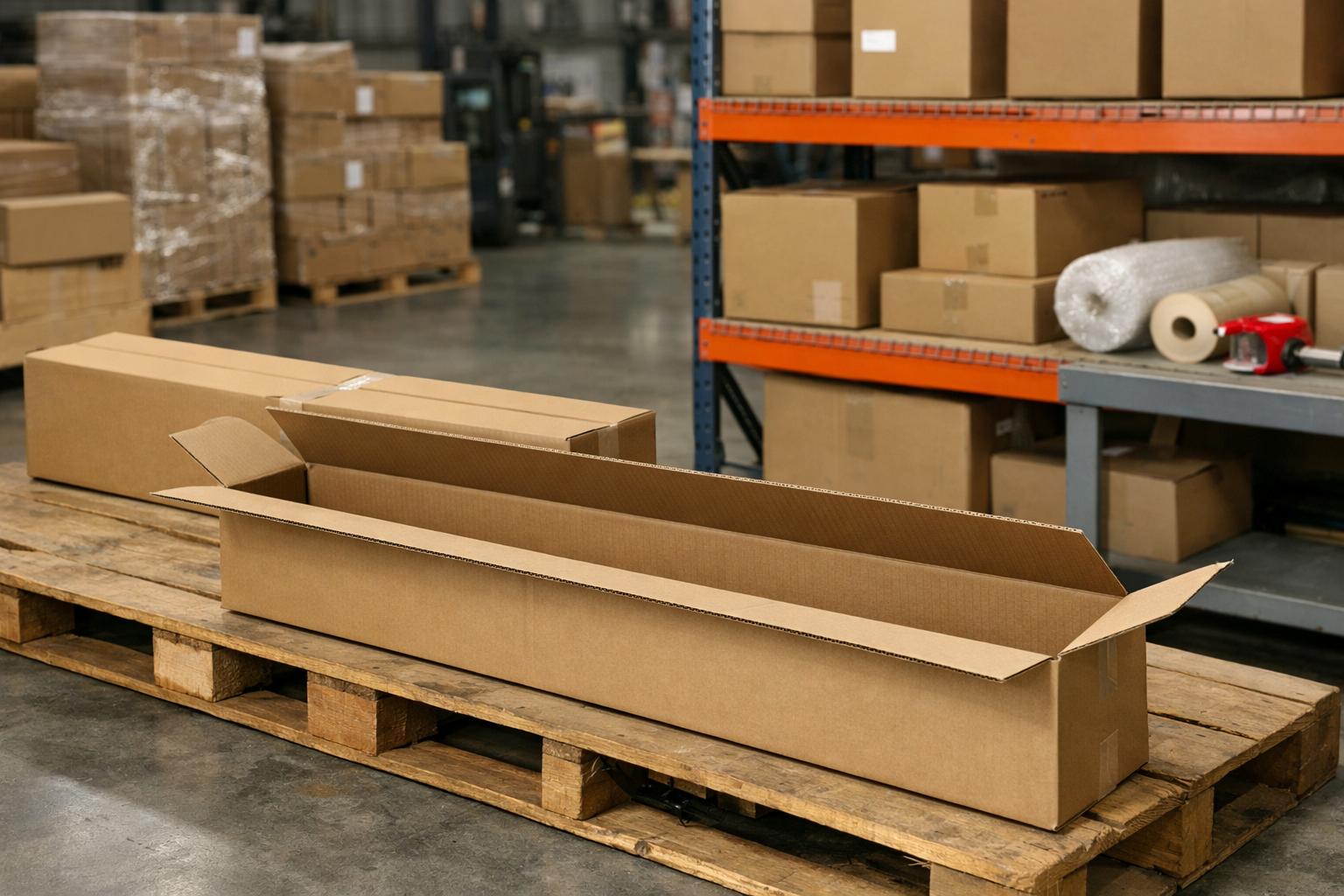
Key Takeaways
- Match long shipping boxes to the product’s real footprint first, then add only enough room for packing paper, bubble wrap, or inserts. That one move cuts void fill and keeps shipping damage down.
- Compare flute and ECT ratings before ordering long boxes in bulk. A narrow box that’s too light for the load will crush in transit, even if the dimensions look right on paper.
- Watch dimensional weight on USPS, FedEx, and freight shipments, because oversized cartons can turn a cheap box into an expensive label fast. Right-sized long shipping boxes usually beat larger cartons on total cost.
- Use long corrugated boxes to improve unboxing for apparel, prints, tools, and other narrow items that shouldn’t rattle around in a standard container. Cleaner presentation often means fewer returns and fewer damage claims.
- Plan stock levels around size mix, not just unit count, so warehouse teams don’t run out of the one long box size that ships most orders. A solid reorder schedule matters just as much as price.
- Request samples before switching formats, then test label placement, packing speed, and carrier fit. A long box that works in the warehouse and survives delivery is the one worth buying again.
A 2-inch gap doesn’t sound like much until it turns into crushed corners, extra void fill, and a second shipment out the door. That’s why more fulfillment teams are rethinking long shipping boxes right now. The box isn’t just a container. It’s part of the packing system, the shipping cost, and the first thing a customer sees after tracking finally flips to delivered.
Here’s the tension. A box that’s too big eats cash in cubic pricing and dunnage, while one that’s too tight invites damage claims and ugly returns. Long formats sit in a useful middle ground for posters, apparel bundles, auto parts, and other narrow items that don’t belong in a square carton. Used well, they can cut packing time, reduce filler, and make the unboxing feel cleaner without turning the warehouse into a branding lab. Realistically, that’s the kind of tradeoff operations managers need to win.
Why Long Shipping Boxes Are Showing Up More in Fulfillment Right Now
A warehouse team packing poster tubes and curtain rods doesn’t want a carton that swallows the product whole. It wants a box that fits, ships, and opens cleanly. That’s why long shipping boxes are turning up in more order lines.
The shift from oversized cartons to right-sized shipping boxes
Oversized shipping boxes create extra pickup weight, more dunnage, and more damage risk during delivery. Long cardboard boxes and long corrugated boxes solve that by matching the container to the item, not the other way around. The result is less filler, faster packing, and cleaner tracking through the carrier network.
How long formats cut void fill, carton damage, and dunnage waste
In practice, narrow shipping boxes hold pressure better on items like artwork, gaming accessories, lighting kits, and long tools. Fewer empty spaces means less shifting, less crushed corners, and fewer returns tied to packing mistakes. Shipping managers also get a simpler label workflow and a better estimate on freight and parcel costs (no surprise add-ons from a box that’s two inches too big).
Where long boxes make sense for e-commerce, subscription, and warehouse packing
These boxes for long items fit ecommerce brands, subscription box companies, and warehouse operations that ship rods, print sets, or bundled supplies. They’re also easier to drop into a carton line, easier to stack on a truck, and easier to order in bulk when the company wants fewer SKUs. UCanPack offers a broad size range for teams that need long formats without overbuying.
- Best fit: narrow products, fragile prints, and long retail kits
- Not ideal: bulky mixed-item orders that need a large cube
- Quick check: measure product length first, then add room for packing
Choosing the Right Long Shipping Box Size, Flute, and Strength
Too long, and the product rattles. Too tight, and the corner crush shows up before tracking even updates.
For long shipping boxes, the fix starts with exact measurements: length, width, — height plus about 1 inch of packing room on each side. That extra space lets a warehouse crew add paper, foam, or a small insert without turning the carton into a freight problem. For long cardboard boxes, the right fit usually beats the biggest box on the schedule.
Matching length, width, and height to product dimensions
Measure the item as it ships, not as it sits on a shelf. A 36-inch poster tube, a lamp harp, or a guitar neck needs different clearance than a flat, boxed accessory. long corrugated boxes work best when the product can’t shift more than an inch in transit.
Comparing corrugated flute options for large, fragile, and narrow items
B-flute handles most retail shipping. C-flute gives more stacking strength for warehouse pickup, freight, and overnight delivery. E-flute stays slimmer for narrow shipping boxes that need a cleaner label panel and less bulk in the container. That’s why boxes for long items often need different flute choices across the same company’s SKUs.
It’s a small distinction with a big impact.
Reading ECT ratings and weight limits before you place an order
Look at the ECT rating before price. A 32 ECT box works for lighter orders; 44 ECT makes more sense for large, dense products or international shipping. UCanPack lists long shipping boxes by size and strength, which helps teams request the right estimate instead of guessing, then paying for damage later.
- Under 10 lbs: B-flute, 32 ECT
- 10–25 lbs: C-flute, 44 ECT
- Fragile or stack-heavy loads: double-check the box spec before order
Short version: size the box to the product, not the other way around.
How Long Shipping Boxes Affect Packing Speed, Tracking, and Carrier Costs
Could long shipping boxes slow a line down? Yes — if the size is wrong, packers spend extra seconds on void fill, tape, and relabeling, and that adds up fast across a full shift. Right-sized cartons cut motion. Less chasing filler, less rework, fewer delays.
Right-sizing boxes to reduce packing time on the line
Fulfillment teams usually see the biggest gain with long cardboard boxes that match the product length within 1 to 2 inches. That tighter fit helps when packing rods, posters, rails, or bundled parts, and it reduces the need for extra bubble wrap or paper. A warehouse manager should test the box against the actual pick path, not just a spec sheet.
Here’s the blunt part: narrow shipping boxes can save 10 to 20 seconds per order. On 500 orders, that’s real labor.
Dimensional weight, delivery pricing, and why oversized cartons cost more
Long corrugated boxes can protect better, but oversized cartons push up dimensional weight on USPS, FedEx, and other delivery services. That means the shipping calculator doesn’t care that the box is light; it cares how much space it eats in the truck or container. For Amazon sellers and global companies, that gap shows up in every tracking label and invoice.
Worth pausing on that for a second.
What warehouse managers should check before using USPS, FedEx, or freight
Before ordering boxes for long items, check the carrier size limits, pickup rules, and freight thresholds. One quick request to compare rates can avoid a costly overnight surprise. UCanPack works with teams that need long shipping boxes for shipping, packing, and international delivery, but the real win comes from matching size to the job.
- Measure product length first.
- Check ECT strength for stacking.
- Compare box cost to freight pricing.
Long Shipping Boxes for Better Unboxing, Fewer Returns, and Cleaner Presentation
Long shipping boxes cut wasted space, and that matters fast. Use them right, and the packing line gets cleaner, the label sticks flatter, and the container stops bouncing product around on the truck.
- Better product protection. For rods, prints, parts, and boxed kits, long corrugated boxes keep the load from shifting, which helps reduce corner crush and the ugly scuffs that trigger replacement orders.
- Cleaner presentation. Long cardboard boxes and narrow shipping boxes create a tighter fit, so there’s less void fill to stuff, less tape to fight, and fewer complaints about oversized shipping.
- Smarter format choice. Boxes for long items often beat a mailer or tube once the order includes multiple pieces, extra packing, or fragile add-ons that need flat support.
Here’s the thing: a long box isn’t just a size decision. It affects tracking scans, pickup handling, and even how a warehouse team schedules overnight drops when a shipment is too awkward for a standard carton.
For teams comparing suppliers, UCanPack sees the same pattern over and over: the best fit usually comes from checking actual product length, then adding just enough room for packing materials, not another six inches “just in case.” That keeps shipping costs down and lowers the odds of damage claims.
For international delivery or freight orders, long boxes also help keep labels visible and stacking tidy (a small detail that saves time at the dock).
One bad size choice can turn a cheap order into an expensive return.
Where to Source Long Shipping Boxes and Keep Supply Reliable at Scale
Write this section as if explaining to a smart friend over coffee — casual but accurate and specific. Long shipping boxes sound simple until a warehouse team runs out on a Tuesday afternoon and every order starts slipping. That’s the problem: the box choice affects delivery speed, packing labor, and how much void fill gets burned through on each shipment.
Stock sizes, bulk order planning, and warehouse storage tradeoffs
Stock long cardboard boxes and long corrugated boxes work best when the dimensions match the product family, not a single hero SKU. A 12x4x4 for posters is a different job than a 36-inch sleeve for auto parts, and trying to force one box size across both usually means more damage and more filler. Narrow shipping boxes can cut cube size fast, which helps with freight and drop shipping math.
For busy operations, the better move is to hold 2 to 4 core sizes and reorder before inventory falls under 25 percent. That keeps pickup schedules predictable and avoids overnight panic buys.
Free samples, label compatibility, and reorder timing for busy operations
Free samples matter because a box that looks right on a calculator can still fail at the packing table. Check label placement, carrier tracking visibility, and whether the fold leaves enough flat space for Amazon or USPS labels. Also, confirm that the box closes cleanly without extra tape, since tape slows jobs and adds cost.
boxes for long items should be tested with actual product weight before a bulk order lands on the dock. The best packaging suppliers make reordering easy, give a clear estimate on lead time, and don’t hide the extra charges in freight or handling. That’s the bar.
Frequently Asked Questions
Where can I get a box for shipping for free?
Some carriers hand out free shipping boxes for certain services, and that sounds great until you check the rules. Those boxes usually only work for the carrier’s own label service, not for every shipment, so they’re not a fit for every warehouse or fulfillment setup. If you need long shipping boxes for routine orders, buying the right size in bulk usually costs less than piecing together free supplies.
How much is a long box at UPS?
The price changes based on size, strength, and whether you’re buying one box or a stack of them. For a long shipping box, the real cost issue isn’t just the sticker price—it’s the total landed cost after shipping, especially if you’re ordering a small quantity. A warehouse manager should compare per-box cost against damage risk and storage space before chasing the cheapest option.
How big is the XL box from Home Depot?
Retail XL boxes are usually large enough for long, awkward items, but the exact dimensions can change by product line. That’s the problem: “XL” doesn’t tell you much if you’re packing posters, light fixtures, or parts that need a specific inside length. Always check the inside dimensions, not just the label on the shelf.
Does UPS give you free boxes?
Yes, some boxes are free if you’re using approved carrier packaging for the matching shipping service. No, that doesn’t mean they’re free for warehouse use, drop shipping, or every long item that needs to go out the door. If you’re shipping at volume, buying long shipping boxes that fit the product usually gives better control over packing, tracking, and delivery damage.
What size long shipping box should a warehouse use for posters or tubes?
Measure the item first, then add enough room for protection without turning the box into a rattle trap. For posters, prints, and narrow components, a tube or a long, slim corrugated box often works better than a bulky container with extra packing paper stuffed inside. The goal is a snug fit, not a giant void-fill project.
Sounds minor. It isn’t.
Are long shipping boxes better than tubes?
Depends on the product. Tubes are strong for rolled prints — documents, but long shipping boxes are better for flat, fragile, or boxed items that can’t bend. If the product has corners, edges, or mixed packing materials, a box usually gives the warehouse more control during packing and pickup.
Can long shipping boxes reduce shipping damage?
They can, if the size and strength match the product. A box that’s too long invites movement, and movement causes corner crush, scuffing, and breakage during transit. Right-sized corrugated packaging cuts void fill, keeps the load stable, and makes delivery labels easier to read and scan.
What should fulfillment teams check before ordering long boxes in bulk?
Check inside dimensions, flute strength, edge crush test rating, and how the box stacks in storage. Then look at how it ships flat, how fast it can be reordered, and whether the box works with your packing line or hand-pack process. A cheap box that slows the team down isn’t cheap for long.
Do long shipping boxes work for international freight?
They can, but the carton has to survive more handling, more scanning, and more time in a container or truck. For international orders, thicker corrugated construction and tighter packing matter more than they do on a short domestic parcel route. If the shipment is going through multiple handoffs, don’t treat the box like a throwaway supply.
Experience makes this obvious. Theory doesn’t.
What’s the easiest way to estimate the right long box size?
Start with product length, width, and height, then add room for protective material only where it’s needed. A sizing calculator helps, but warehouse teams should still test fit with a sample before placing a big order. That extra ten minutes can save a week of returns and repacks.
Long shipping boxes can do more than hold a narrow product. Used well, they cut dead space, trim filler, — give warehouse teams a cleaner packout without forcing a bigger carton bill. That’s the real win. Less wobble. Less waste. Fewer ugly returns.
For operations managers, the better question isn’t whether a long format looks nicer. It’s whether the box fits the item, survives handling, and still moves through the line fast enough to keep labor in check. Pick the wrong flute or an oversized size, and the savings disappear quickly. Pick the right one, and the box does quite well every day.
The next step is simple: measure the longest SKUs, test two or three long shipping boxes with actual fill weights, and compare damage, pack time, and carrier charges before locking in a standard size.
{
“@context”: “https://schema.org”,
“@type”: “LocalBusiness”,
“name”: “UCANPACK”,
“address”: {
“@type”: “PostalAddress”,
“streetAddress”: “753A Tucker Rd”,
“addressLocality”: “Winder”,
“addressRegion”: “GA”,
“postalCode”: “30680”,
“addressCountry”: “US”
},
“telephone”: “1 201-975-6272”
}
UCANPACK
753A Tucker Rd
Winder, GA 30680
1 201-975-6272


