INNSBRUCK, AUSTRIA / ACCESS Newswire / May 1, 2026 / A global consortium of 64 experts (72 entities, 5 continents) unveiled two coordinated consensus plus policy brief reports, outlining a science‑driven roadmap to confront escalating health crises and to tackle the growing burden of noncommunicable diseases (NCDs-including cardiovascular diseases, cancer, diabetes, etc.: 75% of global deaths; 82% in low-/middle income countries; 90% of all death in European region).
The centerpiece is HEAL-Healthy Eating & Active Living, ideally whole‑food plant‑predominant/vegetarian-vegan diets & daily exercise outdoors/active mobility-as the minimum, first‑line standard in health and care. The authors urge immediate action on Prevention-over-Treatment and reforming education and human‑relevant science (drug failure rate from animal studies is 90-95%, and as high as 99.6% for Alzheimer disease), with a rapid shift from disease‑centered reaction to person‑centered, lifestyle‑first cure and care.
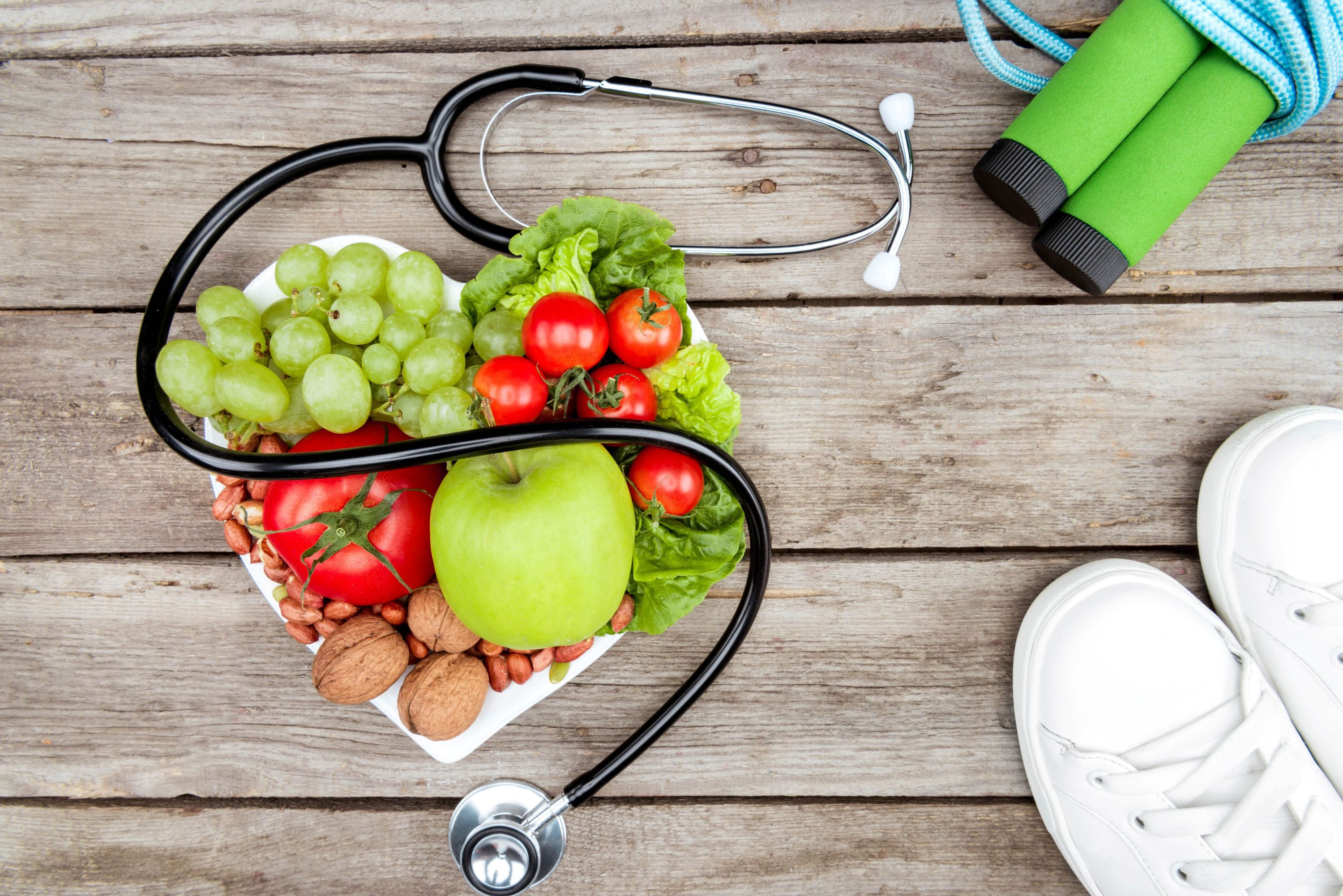
Figure 1. HEAL means choosing a whole-food, plant-predominant (ideally vegan) diets coupled with daily exercise outdoors/in nature to kick-start better health. Credit: iStock/LightFieldStudios.
“Sustainable health is for free but cannot be downloaded or prescribed-it must be lived daily and earned across lifetime through informed lifestyle choices, with HEAL as starting point. As childhood-entrenched health literacy lasts a lifetime; embedding HEAL from primary to tertiary education is the policy priority of our generation.” -Lead author Katharina Wirnitzer | PHT, University of Innsbruck & CCCTIM

Figure 2. Katharina Wirnitzer/Keynote on Vegan Diet in Sports. Credit: ©Katharina Wirnitzer.
Why change is imperative
-
The paradox: Despite rising health spending and scientific advances, public health gains lag while ever-growing NCDs. The expert panel offers 101 consensus statements and a 10‑step policy roadmap to act across the lifespan-from individual behavior to population‑level change.
-
Why HEAL, and why now: HEAL combines Healthy Eating (whole‑food, plant‑predominant; preferably vegetarian/vegan) with Active Living (regular, ideally daily, including outdoor activity and active mobility). Evidence shows synergistic benefits beyond either alone, reducing reliance on drugs and surgery while improving resilience and sustainability of health systems.
-
Prevention-First (3:1): The reports recommend prioritizing prevention, health maintenance, and health promotion over treatment by 3:1 (Figure 3), making healthy choices the easy, first‑line intervention and reserving medicalized treatment for specific indications.
-
Education and workforce: Embed HEAL from primary through tertiary education and continuously upskill healthcare and education professionals to deliver evidence‑based lifestyle counseling, routine assessment, and monitoring. Improve meal standards and support active mobility in schools and public spaces.
-
Human‑relevant science: Accelerate the transition to non‑animal, human‑relevant methods for basic and preclinical research and for efficacy, safety and toxicity testing through funding priorities, validation, and regulatory adoption.
-
Policy roadmap: Apply Health in All Policies (HiAP) to link individual choices with systemic supports (Figure 4); invest in supportive defaults (healthy public catering, active transport, public‑space design, community HEAL programs); embed HEAL in curricula; and track outcomes with robust evaluation to scale what works.
“Every dollar/euro invested in evidence-based prevention saves multiples in treatment. HEAL is the smartest first investment a health system can make.” -Bernd Haditsch | ÖGK – Austrian Health Insurance Fund, Prevention Unit
“Obesity is a disease with powerful drivers. HEAL gives every patient a proven, first-line foundation to reclaim their health.” –Fatima Cody Stanford | Harvard Medical School & MGH
“A doctor who cannot counsel patients on the Power of Lifestyle, especially on food and movement, is only half-equipped. Lifestyle education in medical school is the missing foundation of modern medicine. Helping our patients to eat a more plant-strong diet is the most powerful healing medicine we can prescribe.” –Michael Klaper | Moving Medicine Forward
“Plant-forward diets provide a powerful opportunity to concurrently improve health and wellbeing for people, farmed animals and the environment.” –Andrew Knight | Griffith University
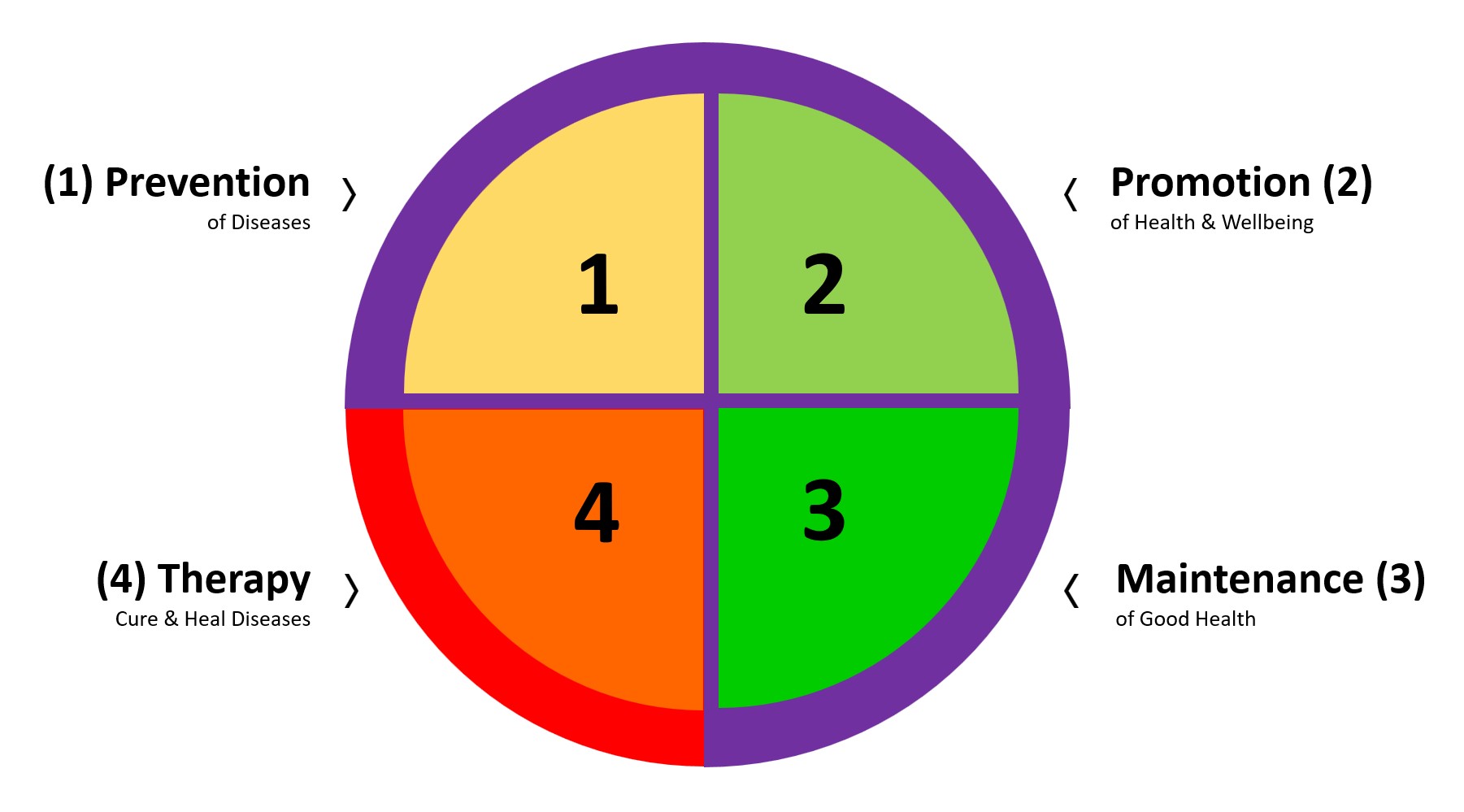
Figure 3. Four areas-of-action, balanced 3:1, to achieve lifelong health. Credit: ©Katharina Wirnitzer.
“Given its cost-effectiveness, Traditional, Integrative, and Complementary Medicine will be the evidence-based mainstream of tomorrow’s global healthcare.” –Tomáš Pfeiffer | ITCIM & SANATOR
“Treatment alone will not sustain health systems. HEAL connects prevention, lifestyle medicine and integrative care to advance salutogenesis on a planetary scale. We must invest far more in creating health.” -Georg Seifert | WHO CC & CCCTIM, Charité Universitäts mediz in Berlin
“The science clearly shows that, when it comes to human health, animal protection is a win-win. Given human health’s complexity, and since animal testing virtually fails to cure human diseases, human-relevant methods already outperform animal experimentation and must therefore be implemented with priority in science, with funds going to human-focused research. Citizens in the EU and US have spoken clearly in favor of this transition. HEAL can prevent many diseases, avoiding the need for animal studies altogether.” -Merel Ritskes-Hoitinga | Universities Aarhus & Utrecht; Doris Wilflingseder | Vetmed Uni Vienna, Aysha Akhtar | Center for Contemporary Sciences, Corina Gericke & Gaby Neumann | Doctors Against Animal Experiments
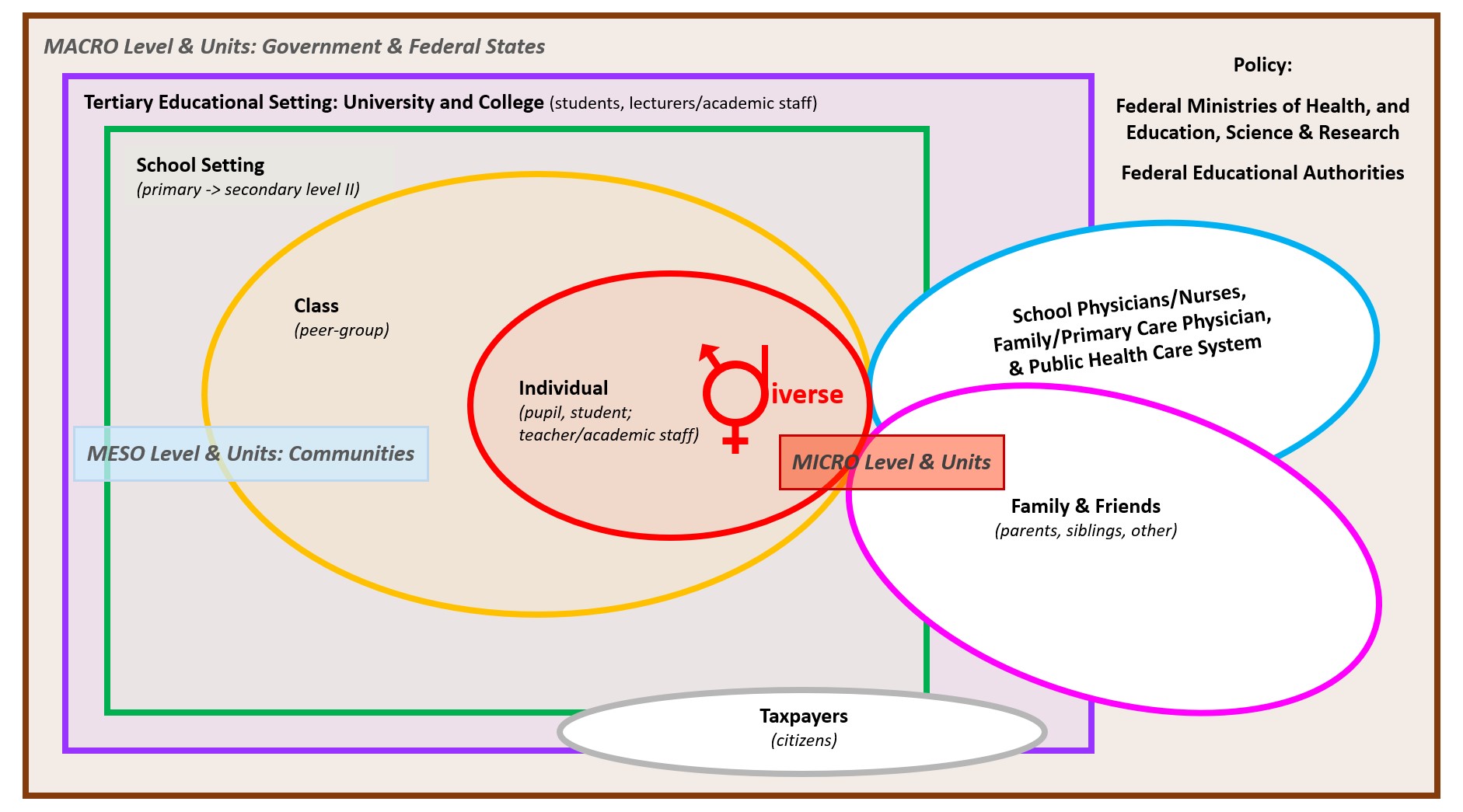
Figure 4. Systemic application of HEAL to reach target groups and improve personal and public health across micro (individuals/families), meso (communities), and macro (state/government/federal policy) levels, ensuring optimal vertical and horizontal permeability and integration. Credit: ©Katharina Wirnitzer.
Key Actions at a Glance.
-
Make HEAL the universal starting point and minimum, first‑line prevention standard.
-
Implement lifestyle‑first counseling before routine prescriptions.
-
Prioritize Prevention-over-Treatment with an 3:1 balance.
-
Mandate lifestyle education in schools; embed HEAL across tertiary programs.
-
Continuously upskill professionals for evidence‑based lifestyle counseling and monitoring.
-
Accelerate adoption of human‑relevant methods to end animal experiments in research, education and regulatory testing.
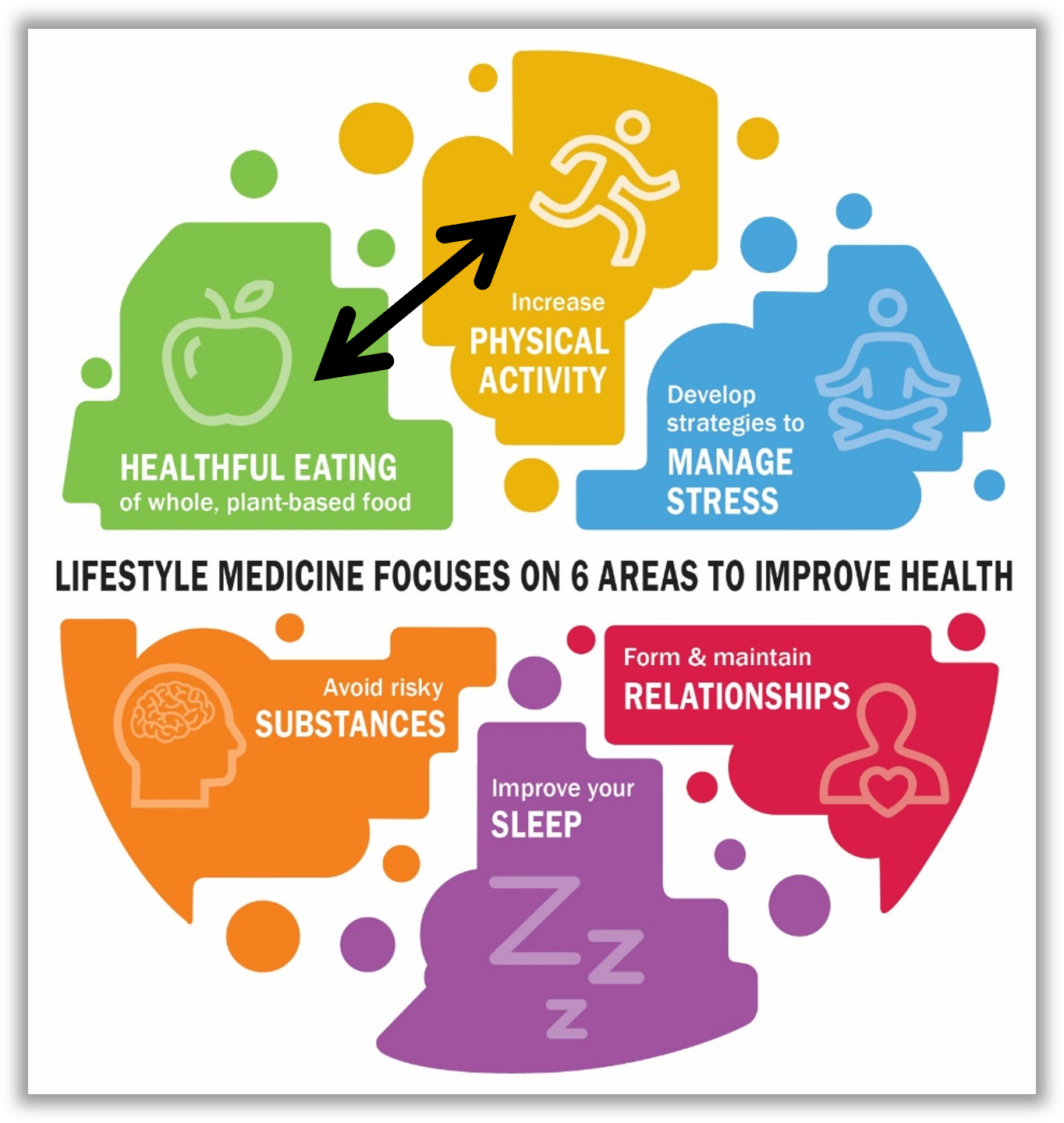
Figure 5. The Power of Lifestyle: Start with the dual HEAL approach across 6 interconnected areas to improve health and well-being. Credit: ©ACLM. Graphic modification: ©Katharina Wirnitzer (permission: 24.11.2021).
Contact for further information:
Katharina C. Wirnitzer – Professor for Sports Public Health with a special focus on Child Public Health
Email: katharina@wirnitzer.at
Cell: +43 (650) 5901794
University College of Teacher Education Tyrol (PHT), Innsbruck, Austria
SOURCE: Institut für Sekundarpädagogik
Related Documents:
View the original press release on ACCESS Newswire