Key Takeaways:
- 100% recycled kraft paper sheets offer UK businesses sustainable packaging with 88gsm thickness for reliable protection.
- Standard UK dimensions include 500mm x 750mm and 900mm x 1150mm sheets, perfect for bulk operations.
- Post-consumer waste foundation reduces environmental impact whilst maintaining multiple recycling cycles.
- Natural brown aesthetic improves brand perception among environmentally conscious consumers.
- Cost-effective bulk ordering makes sustainable packaging accessible for high-volume businesses.
UK businesses continue to face mounting pressure: adopt sustainable packaging solutions without compromising on quality or cost-effectiveness… or see their operation fail. Recycled kraft paper is emerging as the ideal solution, combining environmental responsibility with practical packaging performance. Understanding the composition and benefits of recycled kraft paper helps businesses make informed decisions that support both their operations and sustainability goals.
100% Recycled 88gsm Kraft Paper Delivers Sustainable UK Packaging
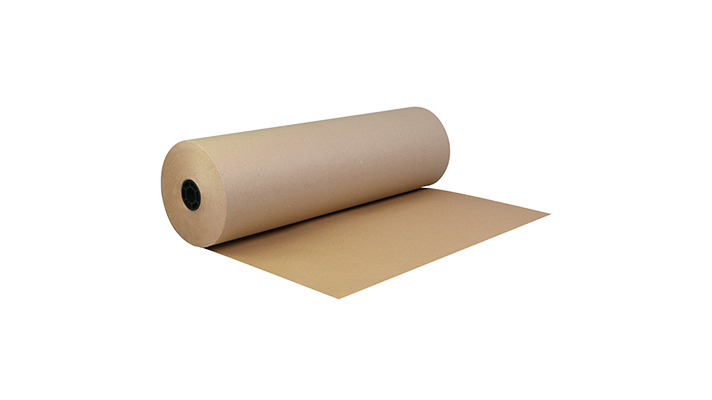
Recycled kraft paper represents a significant advancement in sustainable packaging, manufactured primarily from post-consumer waste materials with minimal virgin fibre content to maintain quality. This eco-friendly composition diverts waste from landfills whilst creating durable packaging solutions for UK businesses. The 88gsm thickness provides the optimal balance between strength and flexibility, ensuring parcels receive adequate protection during transit.
The machine-glazed finish improves the paper’s durability, creating a smooth surface that contributes to overall strength. And unlike virgin paper production, recycled kraft paper manufacturing requires significantly fewer natural resources and reduced chemical treatments. The production process manages and treats chemicals to minimise environmental impact whilst maintaining the structural integrity needed for effective packaging applications.
Premium Recycled Paper Composition and Manufacturing
Post-Consumer Waste Foundation Reduces Environmental Impact
The foundation of quality recycled kraft paper lies in its post-consumer waste composition. This approach turns discarded paper products into high-performance packaging materials, effectively closing the loop in the paper lifecycle. Post-consumer waste provides the raw fibres necessary for kraft paper production, significantly reducing the need for virgin wood pulp and decreasing deforestation pressures.
Manufacturing processes have evolved to maximise fibre recovery from waste streams, ensuring consistent quality across production batches. The careful selection and processing of post-consumer materials maintains the strength characteristics needed for packaging applications, proving that sustainability and performance can coexist effectively.
88gsm Machine Glazed Thickness Ensures Packaging Durability
The 88gsm specification represents the sweet spot for packaging applications, providing sufficient strength for wrapping and void-filling whilst remaining cost-effective for bulk operations. Machine glazing creates a smooth, slightly glossy surface that improves the paper’s resistance to moisture and handling damage.
This thickness specification ensures reliable performance across various packaging scenarios, from lightweight e-commerce items to heavier industrial components. The ribbed texture kraft paper option, available separately from machine-glazed sheets, creates a packaging material that maintains its integrity throughout the supply chain, reducing the risk of damaged goods and customer complaints.
Bulk Sheet Dimensions and Availability
Standard UK Dimensions: 500mm x 750mm and 900mm x 1150mm
UK packaging operations benefit from standardised sheet dimensions that accommodate common packaging requirements. The 500mm x 750mm format suits smaller items and parcels, providing adequate coverage for e-commerce applications and retail packaging. Meanwhile, the larger 900mm x 1150mm sheets cater to industrial packaging needs and larger product wrapping requirements.
These dimensions align with UK packaging standards and equipment specifications, ensuring seamless integration into existing packaging workflows. The consistent sizing reduces waste through efficient material utilisation, supporting both cost-effectiveness and environmental objectives.
Cost-Effective Bulk Ordering for High-Volume Operations
Bulk purchasing completely changes packaging costs for high-volume operations, with significant price reductions available for larger quantities. The economies of scale inherent in bulk ordering make sustainable packaging accessible even for cost-conscious businesses, breaking down traditional barriers to environmental responsibility.
Bulk availability ensures consistent supply for operations with predictable packaging demands, reducing the administrative burden of frequent reordering. This approach supports just-in-time inventory management whilst maintaining the flexibility to scale operations as business demands fluctuate.
Recyclability Benefits for Circular Economy
Multiple Recycling Cycles with Gradual Fibre Degradation
Kraft paper fibres can be recycled multiple times, typically 5-7 cycles, supporting a circular economy approach to packaging. Each recycling cycle produces gradual fibre degradation, with virgin fibres often added to maintain quality standards. The material remains suitable for packaging applications through several iterations before reaching end-of-life.
This extended lifecycle boosts the value extracted from each fibre, reducing the overall environmental footprint of packaging operations. While fibre quality decreases with each cycle, recycled kraft paper maintains adequate performance standards for most packaging needs.
Biodegradable Alternative to Plastic Packaging
Unlike plastic packaging materials, uncoated kraft paper decomposes naturally within 2-8 weeks under ideal moist and aerated conditions, though decomposition may take 2-5 months under general environmental conditions. This biodegradability eliminates long-term environmental impact, addressing growing consumer concerns about packaging waste. Uncoated and unbleached kraft paper generally decomposes without harmful residues when free from certain inks or chemical coatings.
The biodegradable properties position kraft paper as a superior alternative to single-use plastics, helping businesses align with evolving environmental regulations and consumer expectations. This natural end-of-life pathway supports corporate sustainability commitments whilst maintaining packaging functionality.
UK Business Applications and Market Positioning
E-commerce Parcel Wrapping and Void Fill Applications
E-commerce operations rely heavily on effective packaging solutions that protect products whilst minimising material costs. Recycled kraft paper excels in parcel wrapping applications, conforming to irregular shapes and providing cushioning protection for fragile items. The material’s flexibility allows for creative packaging approaches that improve product presentation.
Void fill applications benefit from kraft paper’s ability to compress and expand as needed, filling empty spaces within packaging to prevent item movement during transit. This versatility reduces the need for multiple packaging materials, streamlining operations whilst maintaining protection standards.
Brand Perception Through Natural Aesthetic Appeal
The natural brown appearance of kraft paper resonates with environmentally conscious consumers, immediately communicating sustainability values. This visual association improves brand perception, positioning businesses as environmentally responsible without requiring explicit messaging or labelling.
The unbleached, natural aesthetic appeals to consumers seeking authentic, environmentally friendly experiences. This visual differentiation helps brands stand out in crowded marketplaces whilst reinforcing their commitment to sustainable practices through tangible packaging choices.
Seek Out Competitive Bulk Pricing
Market competitiveness in sustainable packaging relies on balancing quality, sustainability, and cost-effectiveness. Bulk pricing structures make premium recycled kraft paper accessible to businesses of all sizes, democratising access to sustainable packaging solutions. The price-performance ratio of recycled kraft paper compares favourably to traditional packaging materials when lifecycle costs are considered.
Volume discounts and flexible ordering options accommodate diverse business requirements, from startup e-commerce operations to established manufacturing facilities. This pricing approach supports the transition to sustainable packaging by removing cost barriers that historically favoured less environmentally friendly alternatives.
Globe Packaging
Unit 5, Caxton Trading Estate
Hayes
Middlesex
UB3 1AP
United Kingdom


